The Reality of Stillbirth in Illinois

Stillbirth is a silent crisis that affects thousands of families each year. In Illinois, the reality is stark:


• A Silent Epidemic: According to the March of Dimes’ 2025 Report Card, the preterm birth rate in Illinois was 10.4% in 2024, a rate that contributes to the risk of stillbirth.


While Illinois is making strides in maternal and infant health, the D+ grade for preterm births highlights the urgent need for more support.


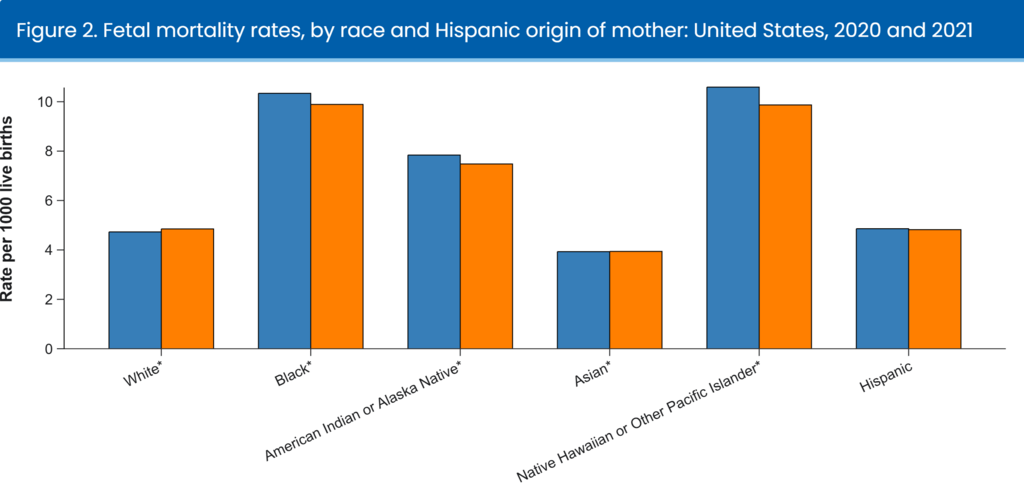
• Racial Disparities: The tragedy of stillbirth disproportionately affects Black mothers, who are more than twice as likely to experience stillbirth compared to white mothers.


EYLA is committed to addressing these disparities by providing equitable access to care and support for all families.

Our Support Services

The unexpected financial strain following a stillbirth can be overwhelming. EYLA  offers several avenues for our community to provide direct financial support to families in need.


• Stillborn Cremation Fund: Contribute to our fund that directly covers the cost of dignified cremation services, including removal, cremation, permits, and death certificates.

DONATE HERE


• General Support GoFundMe: Our GoFundMe campaign supports all aspects of our youth and stillbirth recovery programs, providing flexible funding where it's needed most.

SUPPORT OUR GOFUNDME


Need Assistance?

A mother’s healing journey is both physical and emotional. We provide tangible support to care for mothers during the critical postpartum period.


6 Week Care Baskets: Our postpartum care baskets are filled with essential items to support a mother’s physical recovery and emotional well-being. You can contribute directly to our registry to help us fill these baskets with love and care. 

GIFT A CARE BASKET


• EYLA 6 Week Postpartum Meal Support: Our postpartum meal plan is designed to confidently support mothers during the crucial first six weeks after birth, ensuring they have one less thing to worry about. EYLA is dedicated to guiding mothers through this transformative time with care and assurance.

 DONATE HERE


Lactation After Loss: The arrival of breast milk after a stillbirth is a painful and often overlooked aspect of postpartum grief. We provide resources and support for mothers navigating this physical and emotional challenge, including information on milk donation, lactation suppression, and self-care.

Healing happens in community.  EYLA provides professionally-led spaces for mothers to connect, share, and heal together.


Monthly Stillbirth Healing Circle: Join our virtual support group, a safe and professionally-guided space for mothers to navigate their grief. These meetings are held on the third Thursday of every month via Zoom.


For Newly Bereaved Mothers: This group provides a gentle introduction to grief support, focusing on immediate needs, self-care, and finding your footing in the early days of loss.


For Experienced Mothers: For those further along in their journey, this group focuses on continued healing, honoring your baby’s memory, and navigating life after loss.

REGISTER FOR A HEALING CIRCLE SUPPORT GROUP

Every baby deserves to be remembered. We provide families with tangible ways to honor and memorialize their little angels.


• Cremation Services: Through our partnership with Brooks Memorial Chapel, we provide comprehensive cremation services, including professional removal, cremation, permits, three death certificates, and a complimentary urn.  


• Engraved Necklaces : A personal keepsake that allows mothers to hold their baby's memory close to their hearts.


• Engraved Memorial Plaques : A beautiful, lasting tribute that can be displayed in the home or a memorial garden.

Memorialize A Recent Loss 

Immediate, compassionate support when you need it most.


• Hospital Support : A certified death doula provides emotional and practical support at the hospital, guiding families through the immediate aftermath of loss with dignity and care.

The Empowerment Youth Leadership Academy (EYLA) is proud to partner with Brooks Memorial Chapel to provide dignified, affordable cremation services for families who have experienced the profound loss of stillbirth. Through this partnership, we offer comprehensive cremation assistance, which includes professional removal, cremation services, cremation permit, three death certificates, and a complimentary urn.

Founded from personal experience of stillbirth loss, EYLA understands that no family should face the additional burden of financial strain during their most difficult moments. Our partnership with Brooks Memorial Chapel ensures that grieving mothers and families receive compassionate, professional care while removing financial barriers to laying their children to rest with dignity.

This collaboration reflects our commitment to supporting mothers through their darkest hours, providing not only practical assistance but also connecting families with our ongoing support groups and mental health resources. Together with Brooks Memorial Chapel, we transform heartbreak into hope by ensuring every family receives the care and respect they deserve during their time of loss.

For more information about our stillbirth assistance program, please contact EYLA or visit Brooks Memorial Chapel at brooksmemorialchapel.com.

Racial and Ethnic Disparities

  •  Significant disparities exist across different racial and ethnic groups:
    • Native Hawaiian or Other Pacific Islander pregnancies have a rate of roughly 1 in 97.
    • Black pregnancies have a rate of approximately 1 in 100.
    • American Indian or Alaska Native pregnancies have a rate of about 1 in 139.
    • Hispanic pregnancies have a rate of about 1 in 216.
    • White pregnancies have a rate of approximately 1 in 223.
    • Asian pregnancies have a rate of about 1 in 270.
  • Geographic and Economic Factors: Stillbirths are more common in the South than in other regions of the U.S., and rates are higher in low-income areas.
  • Risk Factors: Over 70% of stillbirths occur in pregnancies with at least one identified clinical risk factor, such as chronic hypertension or fetal anomalies. However, a substantial share—especially those occurring at 40 or more weeks gestation—have no clinical risk factors.